
Top 10 Signs Your Business Needs an ERP System
Is Your Business Showing These Signs?
Most businesses start with disconnected tools: spreadsheets, departmental software, and manual workarounds. As organizations grow, these systems create bottlenecks limiting efficiency, visibility, and competitiveness.
Identifying when your business outgrows legacy systems is critical. Understanding the top 10 signs your organization needs ERP helps executives make informed decisions about modernizing business operations.

The Cost of Waiting
Organizations that delay ERP implementations face increasing costs from manual processes, data inconsistencies, missed opportunities, and employee frustration. Legacy systems become increasingly expensive to maintain while limiting ability to respond to market changes.
Recognizing these warning signs early enables proactive planning rather than reactive crisis management.
⭐ ERP System Benefits
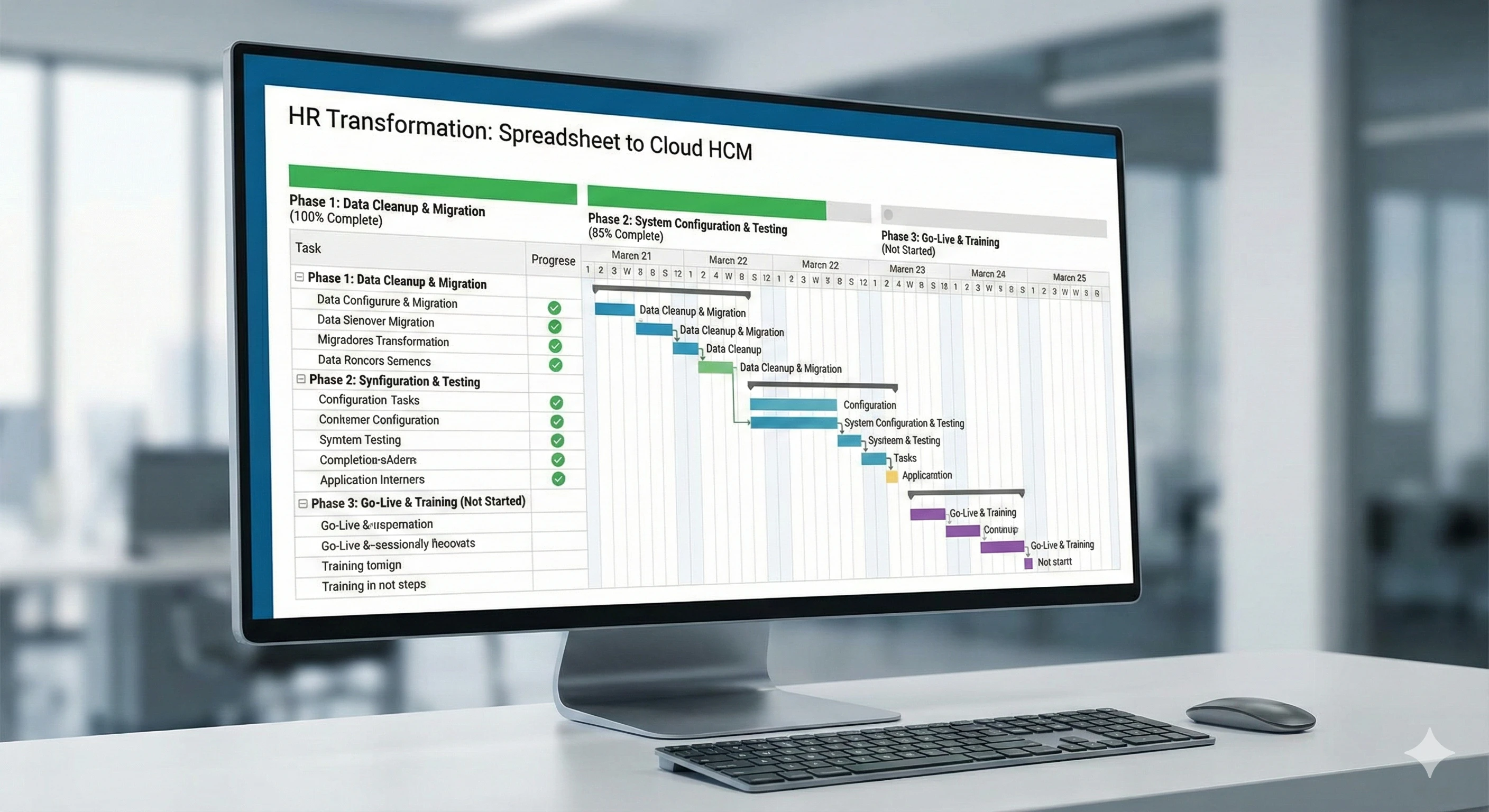
Modern ERP systems consolidate infrastructure into unified platforms, enable real-time analytics for data-driven decisions, support scalability for growing organizations, facilitate cross-departmental collaboration, and automate manual processes.
ERP transforms organizations from reactive administrators to strategic competitors with improved compliance, enhanced customer service, and reduced total cost of ownership.
Next Steps
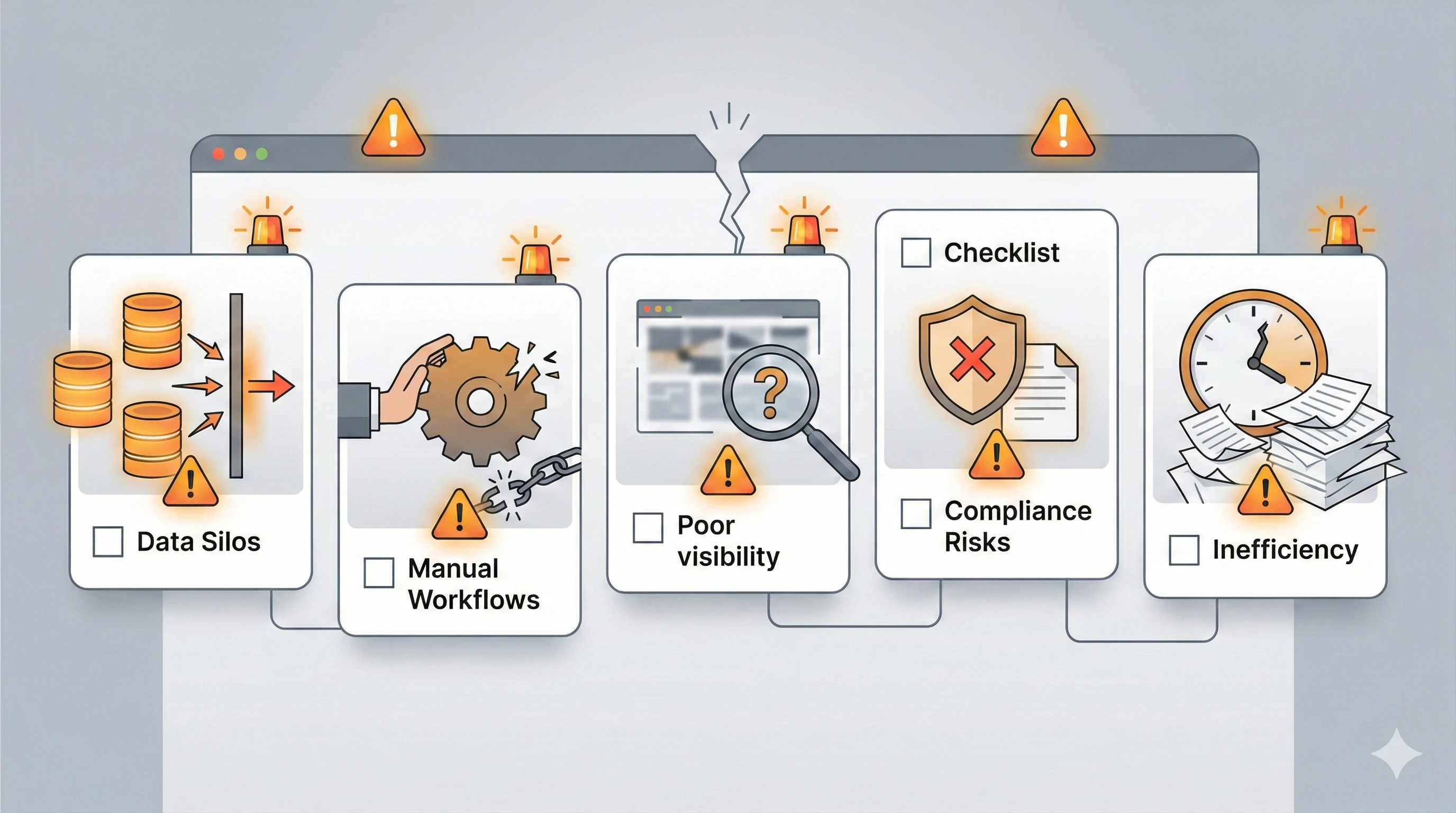
If your organization exhibits several of these signs, begin an ERP assessment to evaluate business needs, document current systems landscape, identify pain points driving transformation, and assess organizational readiness.
Partnering with experienced ERP consultants accelerates planning and ensures successful implementation aligned with strategic objectives.

🎯 The 10 Signs Your Business Needs ERP
1. Disconnected Systems
Fragmented data across sales, finance, inventory, and HR creates process delays and inconsistent reporting.
2. Data Inconsistencies
Multiple departments report conflicting figures due to manual spreadsheet updates and unintegrated applications.
3. Lack of Real-Time Insights
Reliance on outdated reports prevents timely data-driven decision-making.
4. Poor Customer Service
Inability to track orders efficiently or provide transparent communication damages relationships.
5. Inefficient Inventory
Struggles with demand forecasting, stockout prevention, and multi-warehouse visibility.
6. Time-Consuming Closing
Month-end closings consume excessive time due to manual reconciliation and consolidation.
7. Scaling Is Difficult
Business growth stalls when legacy systems cannot accommodate new employees or markets.
8. Compliance Challenges
Scattered documentation and difficulty managing audit trails exposes organization to risk.
9. High IT Maintenance
Costly upkeep of multiple outdated systems consumes IT resources needed for initiatives.
💡 Taking Action
Score Your Organization: Rate your organization on each of these 10 signs. If you're experiencing 3+ signs, ERP implementation should be prioritized.
Next Steps: Conduct comprehensive ERP assessment evaluating business requirements, current systems landscape, pain points, implementation timeline, and budget. Engage cross-functional stakeholders and partner with experienced ERP consultants.