
Oracle Cloud ERP vs. Oracle EBS: What's Best for Your Business in 2025?
📊 Understanding Your Oracle Options
Oracle organizations face a critical strategic decision: continue with Oracle E-Business Suite (EBS) or transition to Oracle Cloud ERP. Both are powerful enterprise solutions from Oracle, but they represent fundamentally different architectures, deployment models, and operational philosophies. Understanding their key differences helps you make an informed decision aligned with your strategic objectives.
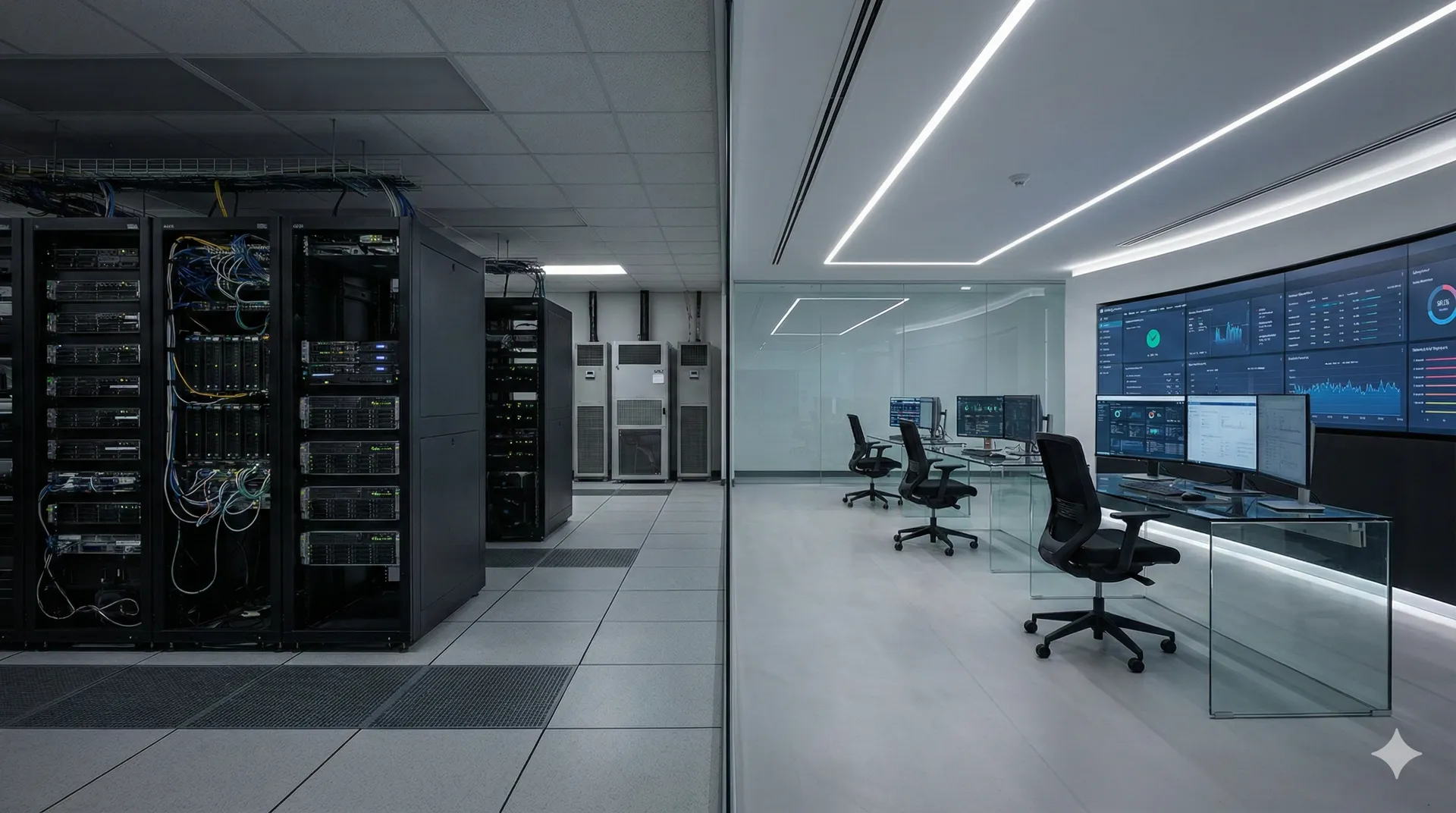
💡 Why This Decision Matters
Strategic Impact: Choosing between cloud and on-premises impacts your IT infrastructure strategy, investment approach, and technology roadmap for the next decade.
Cost Structure: Different cost models—Capital Expenditure (CapEx) for EBS versus Operational Expenditure (OpEx) for Cloud—require different budgeting approaches.
Innovation Velocity: Cloud platforms receive quarterly updates with new features, while EBS relies on organization-controlled upgrade cycles.
Operational Responsibility: Cloud eliminates infrastructure management burden, while EBS requires dedicated teams managing servers and maintenance.

☁️ Oracle Cloud ERP Advantages
Continuous Innovation: Quarterly updates automatically deliver new features, security patches, and performance improvements without disrupting operations.
Lower Total Cost of Ownership: Subscription-based pricing eliminates infrastructure costs, reducing operational overhead by 40-60%.
Modern User Experience: Intuitive web-based interface with role-specific dashboards and native mobile applications.
Rapid Deployment: Faster implementation timelines (8-12 months vs 18-24 months) accelerate time-to-value.
Built-in Analytics & AI: Embedded machine learning capabilities and predictive analytics deliver insights without separate BI tools.

🔧 When EBS Makes Sense
Customization Control: Deep customization via PL/SQL and custom forms enables support for unique, non-standard business processes.
Data Sovereignty: Complete control over data location and infrastructure addresses strict regulatory requirements.
Maximize Existing Investment: Leverage substantial prior investments in EBS customizations and integrations.
Controlled Upgrade Timeline: Organizations manage upgrade schedules independently, avoiding forced quarterly updates.
Organizational Stability: Experienced teams with deep EBS expertise ensure system continuity.

📋 Key Comparison Criteria
1. Deployment Model
Cloud ERP: Multi-tenant SaaS delivered entirely by Oracle. EBS: On-premises or private cloud with organization-managed infrastructure.
2. Customization Philosophy
Cloud ERP: Configuration-focused with Visual Builder extensions. EBS: Deep customization via PL/SQL for non-standard processes.
3. Update Strategy
Cloud ERP: Quarterly automatic updates. EBS: Organization-controlled upgrade cycles every 3-5 years.
4. Cost Model
Cloud ERP: OpEx subscription-based. EBS: CapEx licensing with variable infrastructure expenses.
5. User Experience
Cloud ERP: Modern Redwood interface with mobile apps. EBS: Traditional interface with limited mobile.
6. Analytics & Intelligence
Cloud ERP: Embedded AI and predictive analytics. EBS: Requires separate BI tools.
💡 Making Your Decision
Choose Cloud ERP If: Your organization prioritizes rapid innovation, standardized processes, modern user experiences, and predictable operational costs.
Choose EBS If: You require extensive customization for unique business processes, have strict data residency regulations, or want to maximize existing ERP investments.
Hybrid Approach: Consider coexistence strategies where you gradually migrate modules to Cloud ERP while maintaining EBS for legacy systems.
Conduct Assessment: Evaluate your organization's technology maturity, customization complexity, regulatory requirements, and strategic direction with experienced Oracle consultants.